Physical gold & silver
How to Sell Gold: Coins, Bars, and Scrap, and Who Pays What
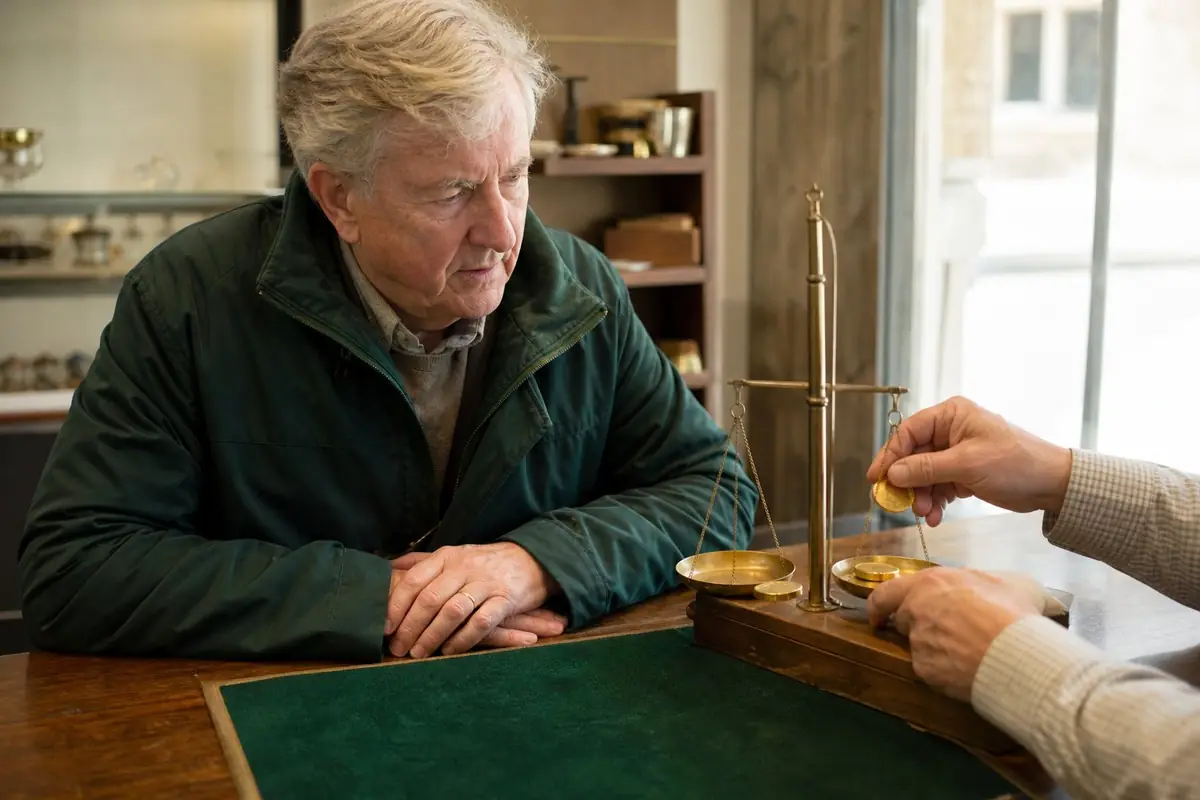
The best way to sell gold is to work out what the metal in it is worth, then get at least two written offers from buyers who handle that kind of item every day. Bullion coins and bars belong with bullion dealers, scrap gold with buyers who pay by weight and purity, and rare coins with specialists or auctions.
Before you sell
- Know your number first: weight times purity times the gold price.
- Sell bullion to bullion buyers and jewelry to scrap buyers. The right counter pays more.
- A dealer buys a little below the gold price and resells above it. That margin differs by buyer and item, which is why two written offers are worth the trouble.
- A dealer has to file Form 1099-B only for certain products in certain quantities, but you owe tax on any gain whether a form is filed or not.
- Get the price and the terms in writing before your gold leaves your hands.
Where to sell gold, and what each buyer pays
Six kinds of buyers take gold from the public. Offers change daily, so the middle column says how each one prices, not what it will pay you.
| Type of buyer | How it prices | Trade-offs |
|---|---|---|
| Local coin shop | Quotes common bullion coins and bars against the gold price. Buys jewelry as scrap. | Paid the same day, nothing to ship. Offers differ between shops, and a small shop may not have cash for a big sale. |
| Online bullion dealer's buyback desk | Quotes against the gold price for products it also sells, often with buy prices posted | Easy to compare. You ship first and get paid after the dealer checks the package. |
| Refiner or scrap buyer | A stated share of the melt value, based on weight and purity | The natural buyer for jewelry and broken pieces. The share paid differs a lot from one buyer to the next. |
| Pawn shop | Its own offer, item by item | Fast, and you can borrow against the item instead of selling it. Get a bullion dealer's quote to compare. |
| Private sale | Whatever you and the buyer agree, with no dealer in the middle | You carry all the risk, including fake payment and meeting a stranger. |
| Auction or rare-coin specialist | Sometimes well above the gold value, but only for coins collectors want | Seller fees, a wait of weeks or months, and no promise the coin reaches the estimate. |
The CFTC puts the basic rule plainly in its guide to buying physical metals: a dealer sells above the spot price and buys back below it. Your job is to find the buyer whose "below" is smallest for the thing you hold.
First, work out what you hold
You can't judge an offer without your own number. Three facts get you there.
Weight
Gold is priced by the troy ounce, which is 31.1035 grams. Coins and bars have their gold weight stamped on them. For jewelry, a kitchen scale that reads to a tenth of a gram is close enough for a first estimate. Ask buyers to weigh in grams so you can check the math.
Purity
Bullion is stamped with its fineness, such as .999 or .9999. Jewelry is marked in karats, and karats are parts out of 24.
| Stamp | Share that is gold |
|---|---|
| 24K | 99.9% or more |
| 22K | 91.7% |
| 18K | 75% |
| 14K | 58.3% |
| 10K | 41.7% |
The melt value formula is weight in grams × the gold share ÷ 31.1035 × the gold price per troy ounce. Say you have 20 grams of 14K chain and gold is $4,000 an ounce, a round number we made up for the arithmetic. That's 20 × 0.583 = 11.67 grams of gold, or 0.375 troy ounce, which comes to about $1,500 of gold. A scrap buyer will offer a share of that figure. Ask what share.
When you sell scrap gold, sort it by karat first and have each pile weighed separately. Our scrap gold calculator does the arithmetic for each karat.
Bullion, collectible, or scrap?
- Bullion is a coin or bar valued for its metal: a 1 oz government coin, a bar from a known refiner. Offers sit close to the gold value. If you aren't sure what you have, our rundown of the best-known gold bullion coins shows the ones dealers quote every day.
- Collectible coins are priced on rarity and condition. Some old coins sell for little more than their gold. A few sell for much more, and a bullion counter may not pay for that. Inherited a box of old coins? Ask a rare-coin specialist before you sell them by weight.
- Scrap is everything else: jewelry, dental gold, broken pieces. It's worth its melt value less the buyer's cut.
Proof and "premium" coins need a second opinion. A bullion counter quotes on gold content, so ask a coin specialist as well before you accept. Coins vs. bullion explains why.
How to sell gold coins and gold bars
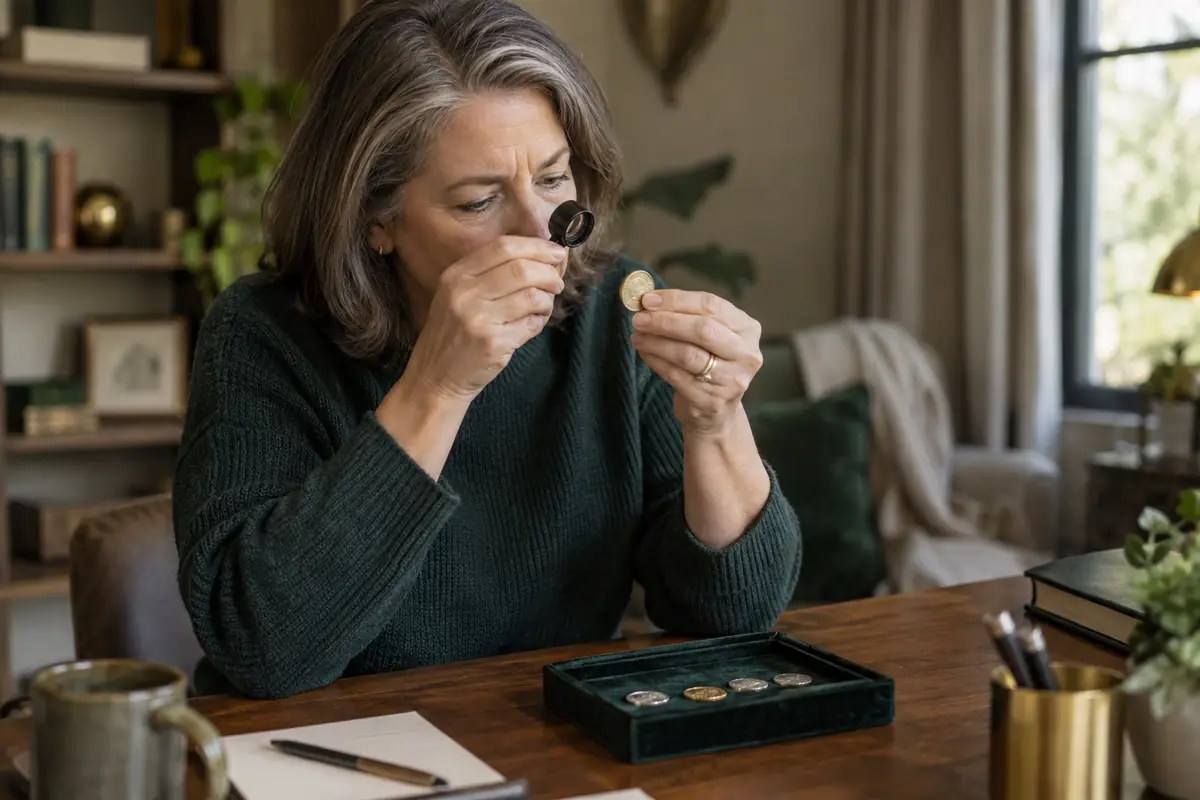
If you want to sell gold coins or sell gold bars that are standard bullion, the process is short.
- List what you have. Product, year if it matters, weight, fineness, quantity. For bars, the refiner and whether the assay card is still sealed.
- Check the gold price and work out the gold value of the lot.
- Ask two or three buyers for a quote on the same day. A local coin shop and an online buyback desk make a good pair. Give each the same list.
- Get the terms in writing: price per item, when the price locks, how and when you're paid, who pays for shipping, and what happens if the buyer disputes an item.
- Lock, deliver, get paid. Keep a copy of everything.
The best place to sell gold coins is whichever reputable buyer quotes the most that day, after shipping and fees. Bar size matters as well, since a kilo has fewer walk-in buyers than a 1 oz bar. See gold bar sizes for which ones trade easily.
Shipping and insurance
Selling to an online buyer means your gold travels before you're paid. A buyback desk will tell you how to pack and send it, and some supply an insured label. Follow the instructions to the letter, because the insurance can depend on it.
- Photograph every item, with serial numbers visible, and the sealed box.
- Use plain packaging. Nothing on the outside should hint at what's inside.
- Ask who insures the package and for how much. If you're arranging it yourself, check whether the carrier's coverage excludes coins and bullion.
- Require a signature on delivery and keep the tracking record.
ID, reporting, and taxes
These are the rules as the IRS states them. They aren't advice for your return.
Showing ID
Expect a shop to ask for a government ID and to record the sale. Rules for businesses that buy secondhand gold are set by states and cities, and they differ by place.
When a dealer files Form 1099-B
The IRS instructions for Form 1099-B say a sale of gold, silver, platinum or palladium is reportable only if two things are true. The metal is in a form the CFTC has approved for trading by regulated futures contract. And the quantity is at least the minimum needed to satisfy such a contract.
The IRS gives its own example: a broker buying a single gold coin doesn't need to file, even if the coin is of a deliverable type, when every approved contract for gold coins calls for at least 25 coins.
Sales by one customer within 24 hours are added together to see whether the quantity is met. And the exception is lost if the dealer knows, or has reason to know, that a customer is splitting sales to avoid the form.
The instructions don't print a list of products, so ask the buyer before you sell whether your items and quantity lead to a form.
Cash and Form 8300
A business that receives more than $10,000 in cash in one transaction, or in related transactions, has to file Form 8300 within 15 days. The form is about cash a business takes in, so it comes up when someone buys gold with cash. Personal checks and bank wires aren't cash for this rule. Breaking a cash payment into smaller ones to stay under the line is called structuring, and the IRS guide warns it can bring penalties.
How a gain is taxed
Per IRS Topic 409, net capital gains from selling collectibles, a category that covers coins and precious metals, are taxed at a maximum 28% federal rate when you've held the item more than one year. Hold it a year or less and a net gain is taxed as ordinary income.
Your gain is the sale price minus your basis, which for a purchase is what you paid. Inherited or gifted gold follows different basis rules, and state tax may apply. You report a taxable gain whether or not anyone sent the IRS a form. See a tax professional about your own numbers.
How to spot a fair buyer, and when to walk away
A fair buyer weighs your items in front of you, tests and prices each karat separately, tells you the share of melt value it pays, and puts the offer in writing. These are the opposite signs:
- Mail-in buyers with no price up front. The FTC has told Congress about complaints that some mail-in buyers quote a price only if asked, and that sellers were paid only after their items had been melted, leaving them little recourse. Get the offer and the return terms in writing before anything is melted.
- One scale, one price. Mixed karats weighed together and paid at the lowest rate, or a scale you can't see.
- Pop-up buyers. A buyer set up in a hotel ballroom for a weekend is gone on Monday. The CFTC lists pop-up dealers at public events among the contacts to avoid.
- Overpayment and fake payment. In a private sale, a check for more than the price with a request to refund the difference is a classic fraud. Wait until funds have truly cleared.
- Couriers. No government agency sends someone to collect your gold. The FTC says real government agents aren't asking you to buy or deliver gold bars. More warning signs are in our guide to gold scams and red flags.
Before you hand anything over
Find your purchase records so you know your basis, and keep the sale paperwork for your tax return. The buying side has its own costs, which buying physical gold outside an IRA lays out. This page is education, not personal advice.
Common questions
What is the best way to sell gold?
Work out the gold value yourself, then get two or three written offers on the same day from buyers who deal in that kind of item: bullion dealers for coins and bars, scrap buyers for jewelry, specialists for rare coins. Take the best offer after fees and shipping.
Where is the best place to sell gold coins?
For common bullion coins, a local coin shop or an online bullion dealer's buyback desk. Which one pays more changes from day to day, so ask both. Rare coins belong with a specialist or an auction.
Will the dealer report my sale to the IRS?
Only for certain products in certain quantities. Under the IRS instructions for Form 1099-B, the metal has to be in a form approved for regulated futures trading and the quantity has to meet the contract minimum. You owe tax on a gain either way.
How do I sell gold bullion I bought online?
Ask the dealer you bought from for a buyback quote, then get a second quote elsewhere. Keep bars in their sealed assay cards.
Where can I sell my gold coins fast?
A local coin shop or pawn shop pays on the spot. Get the coin shop's quote first so you have a number to compare.
We base our guides on primary sources such as the IRS, the Department of Labor, and federal regulators. Read our editorial policy. Spot an error? Tell us.